DIY Roof Repair: What You Can Fix and When to Call a Pro


Understanding DIY Roof Repair
Taking on a DIY roof repair can be a cost-effective way to maintain your home. However, it's essential to understand what you can safely fix yourself and when to call in a professional. Tackling minor repairs can be rewarding, but knowing your limits is crucial to avoid further damage.
Common DIY Roof Repairs
There are several minor roof issues that homeowners can handle on their own. These typically include:
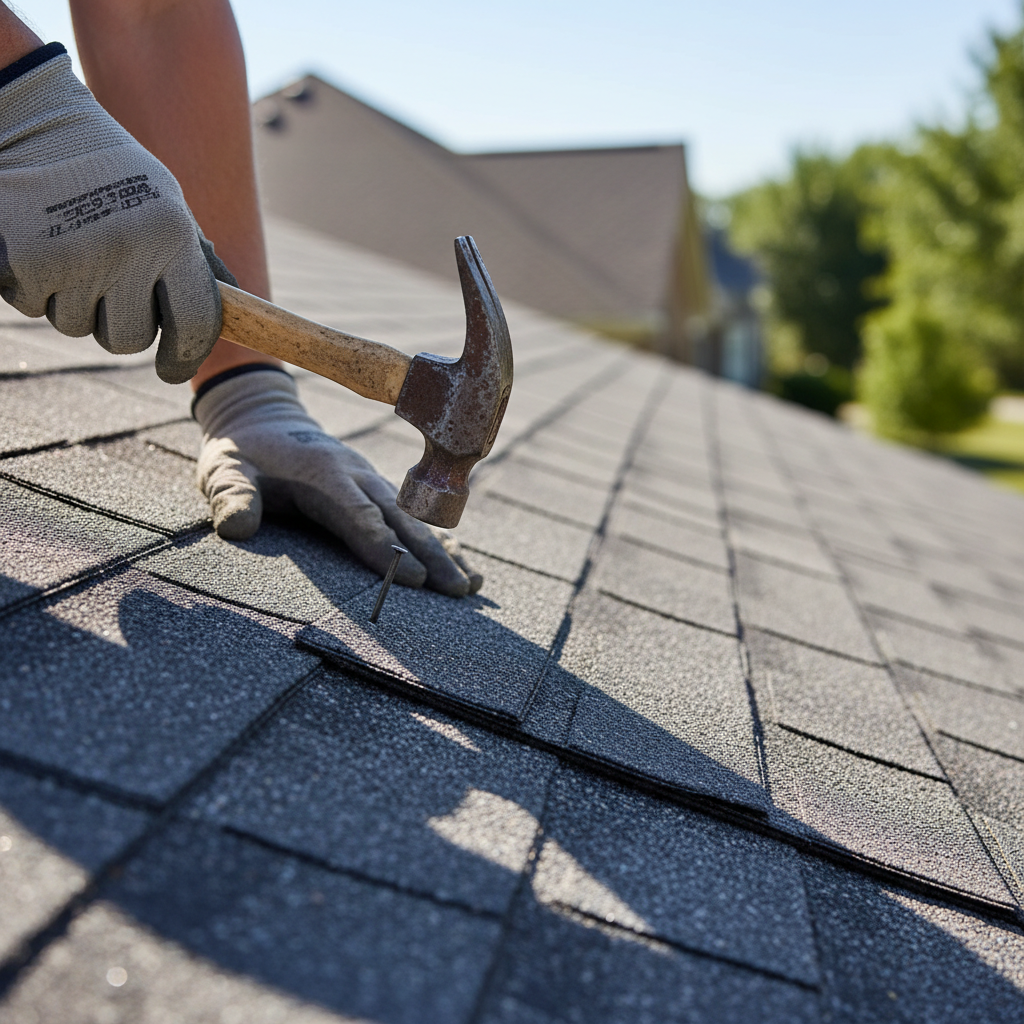
- Replacing Shingles: If you notice a few damaged or missing shingles, replacing them can prevent leaks. Make sure you have the right tools and safety gear.
- Fixing Small Leaks: Minor leaks can often be fixed with roofing cement or sealant. Ensure you identify the source of the leak before applying any material.
- Cleaning Gutters: Clogged gutters can cause water to back up onto the roof. Regular cleaning prevents this issue and extends the life of your roof.
When to Call a Professional
While some repairs are manageable, others require professional expertise. Here are situations when it's best to call a roofer:
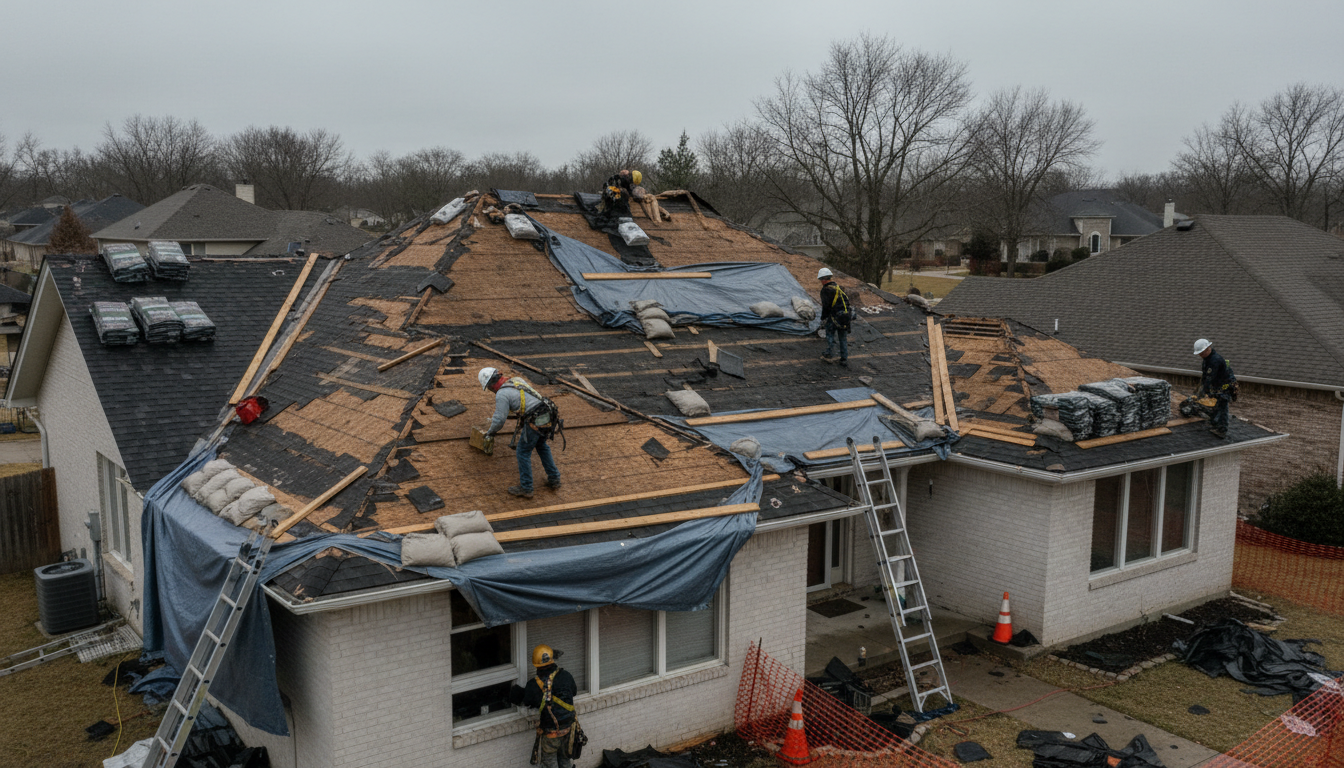
- Extensive Damage: If a large section of your roof is damaged, professional intervention is necessary to ensure structural integrity.
- Complex Leaks: Leaks that persist despite DIY efforts or are located in hard-to-reach areas should be assessed by a pro.
- Roof Age: Older roofs may have underlying issues that require a professional inspection to determine the best course of action.
Safety First
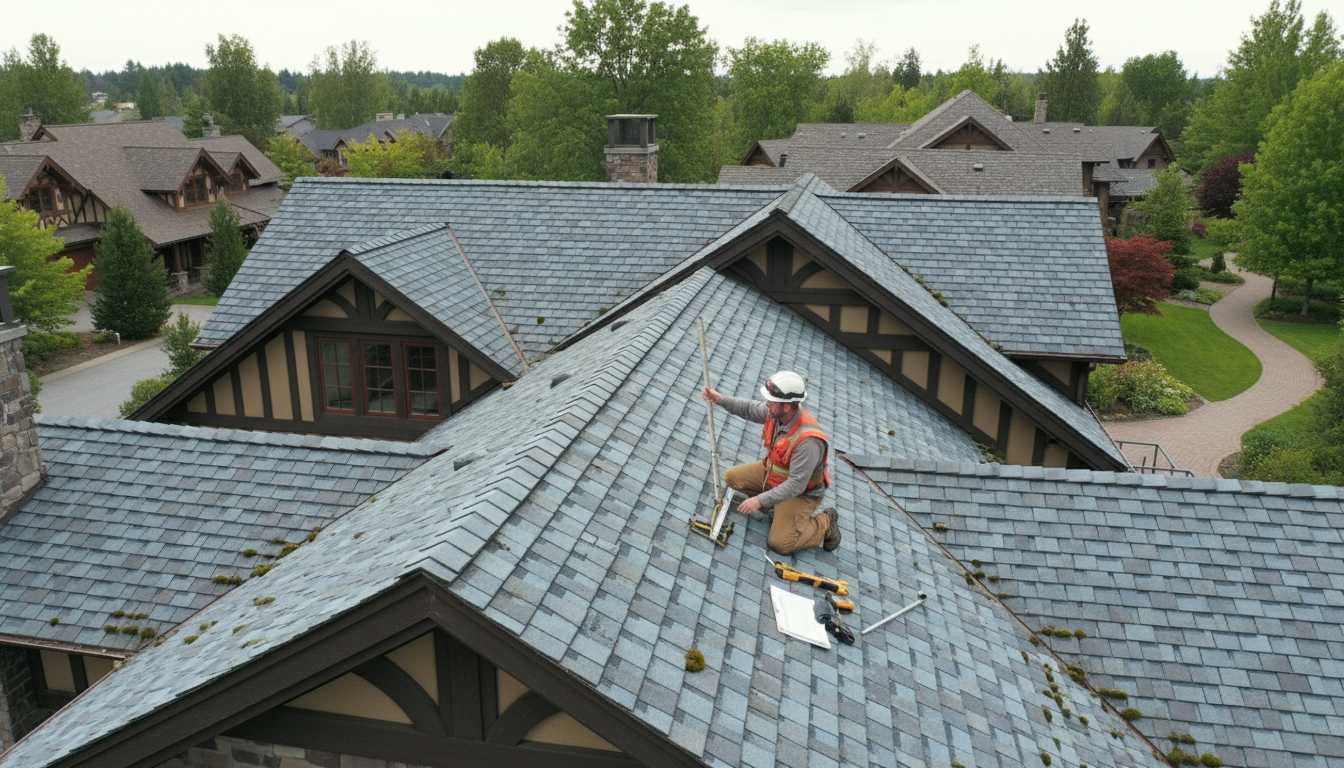
Roof work can be dangerous. Always prioritize your safety by using proper equipment and taking necessary precautions. If you're uncomfortable or unsure about a repair, it's better to err on the side of caution and hire a professional.
Tools You May Need
For those who decide to take on DIY repairs, having the right tools is essential. Common tools include:
- Hammer and nails
- Roofing cement and sealant
- Ladder with stabilizers
- Work gloves and safety harness
Conclusion
DIY roof repair can be a satisfying and cost-saving endeavor if approached with the right knowledge and caution. Always assess the situation thoroughly, use the proper tools, and prioritize safety. For any repairs beyond your expertise, don't hesitate to call a professional to ensure your roof remains in top condition.