DIY Roof Inspection Tips from York County Roofing Professionals


Maintaining a healthy roof is crucial for the longevity of your home, and regular inspections can help prevent costly repairs. While professional inspections are recommended, there are several DIY tips you can follow to assess your roof's condition. Here, York County roofing professionals share some essential DIY roof inspection tips.
Start with a Visual Inspection
Begin your roof inspection from the ground. Use binoculars to look for any visible signs of damage. Check for missing or broken shingles, sagging areas, and any accumulation of debris. These issues could indicate potential problems that need attention.
Check for Shingle Damage
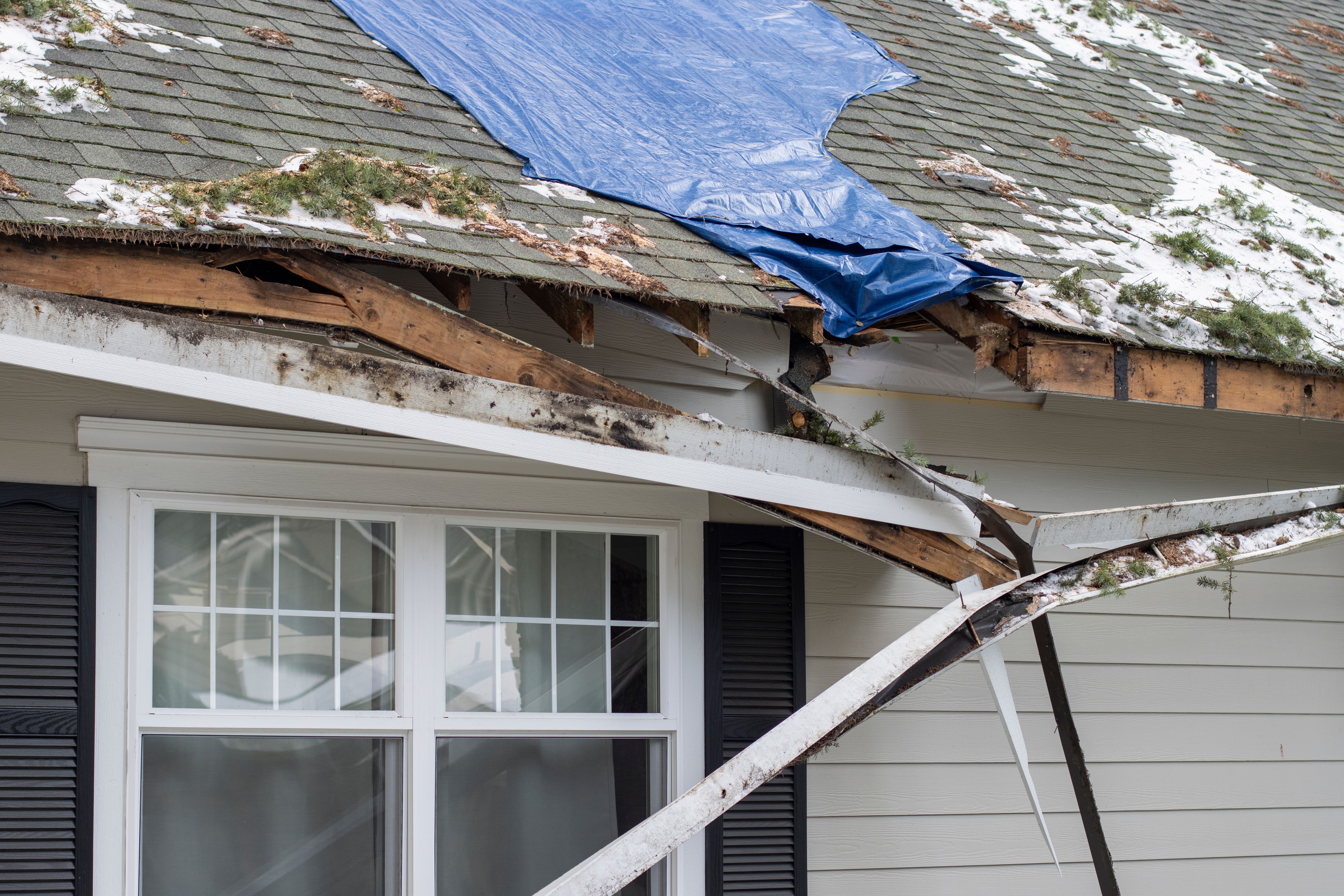
Shingles are your roof’s first line of defense against the elements. Inspect them closely for any signs of wear and tear. Look for curling, buckling, or blistering shingles, as these can lead to leaks. Additionally, granules in your gutters can indicate that your shingles are deteriorating.
Inspect Flashing and Sealant
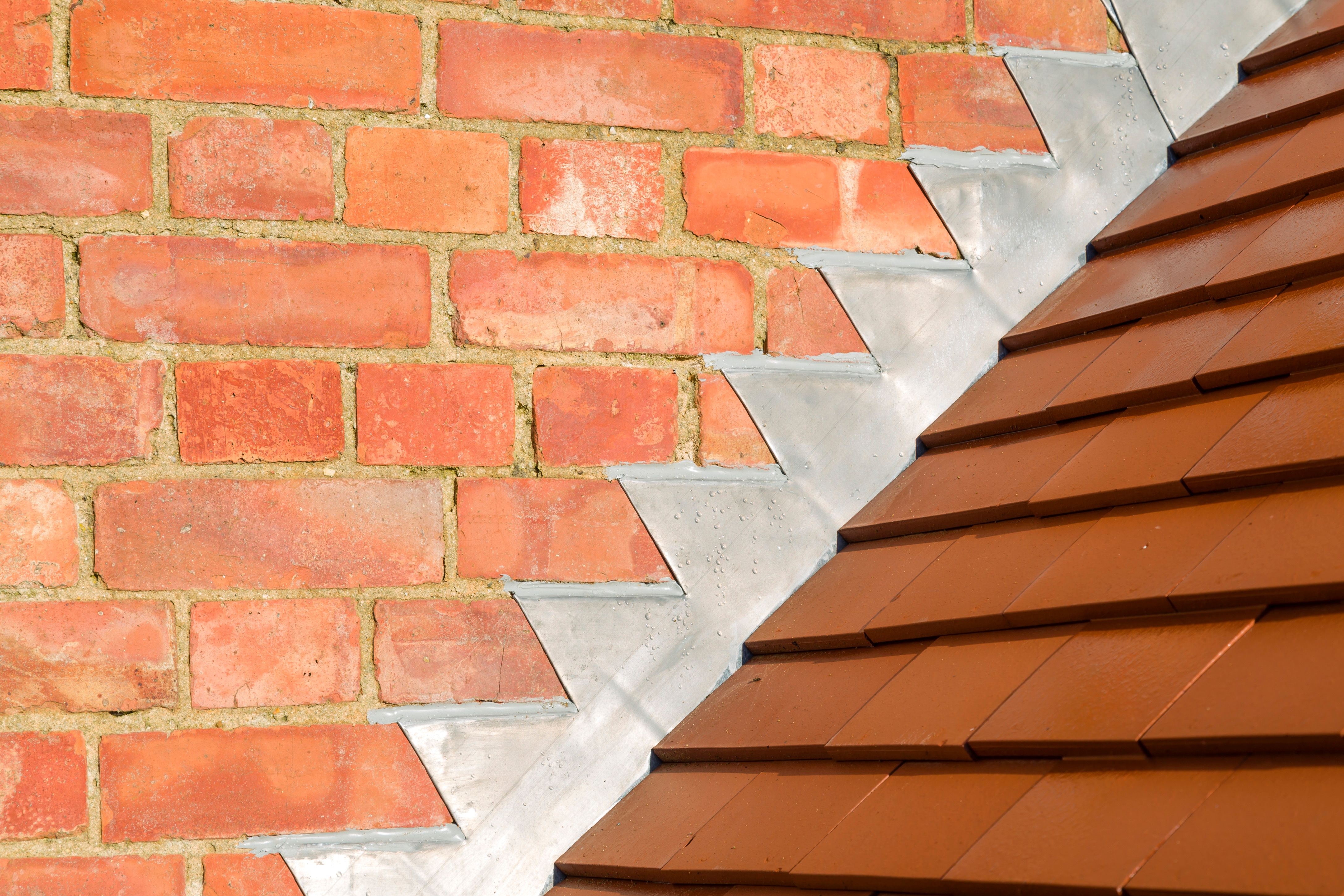
Flashing is used around chimneys, vents, and skylights to prevent water intrusion. Ensure that all flashing is intact and free of rust or damage. Also, check the sealant around these areas. If you notice any cracks or gaps, it might be time to reapply sealant to prevent leaks.
Look for Signs of Water Damage
Inside your home, check ceilings and attic spaces for any signs of water damage. Stains, mold, or a damp smell can indicate a leaky roof. Addressing these issues promptly can prevent more extensive damage to your home.
Clear Debris and Check Gutters
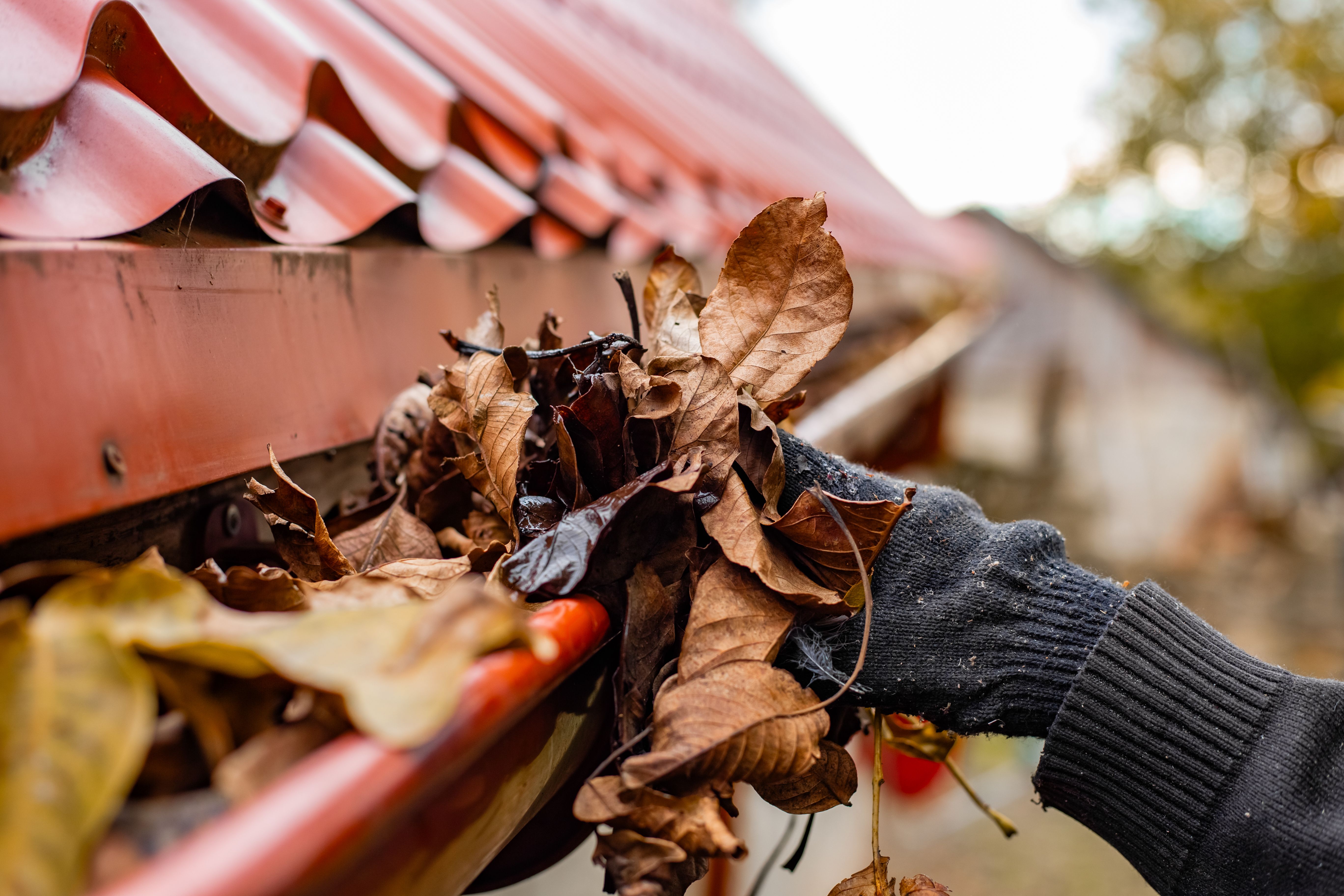
Keeping your roof clear of debris like leaves and branches is essential. This debris can trap moisture and lead to rot. Additionally, make sure your gutters and downspouts are clear of blockages. Clogged gutters can cause water to back up and damage your roof.
Evaluate Roof Ventilation
Proper ventilation is crucial for preventing moisture buildup and extending the life of your roof. Ensure that attic vents are not blocked and allow for adequate airflow. Poor ventilation can lead to heat and moisture build-up, which can damage your roof structure.
Know When to Call a Professional
While DIY inspections are valuable, knowing when to call a professional is crucial. If you notice significant damage or feel uncomfortable performing the inspection yourself, contact a York County roofing expert. They can provide a comprehensive assessment and recommend necessary repairs.
By following these DIY roof inspection tips, you can help maintain your home's roof and address issues before they become costly problems. Regular inspections and maintenance are key to ensuring your roof's longevity and protecting your investment.